INTRODUCTION
2/3 users never finished the onboarding journey. I found out why and shipped a targeted solution
Overview
Twinmind is an AI memory app with 350K+ users. Its value only becomes real once you record your first session, which makes onboarding a critical experience
My Role
Lead Product Designer (end-to-end). I diagnosed the drop-off, led the design decisions, and partnered with engineering across two release cycles to ship and measure the changes.
Duration
4 Weeks
Team
1 Designer (me)
2 Developers
1 Analyst

AT A GLANCE
Targeted cuts, resequenced trust signals, and one recovery path that removed extra clicks and reduced time to value
RESEARCH & DISCOVERY
I pulled the Amplitude data, and clicked through the product on iOS and Android to investigate drop offs
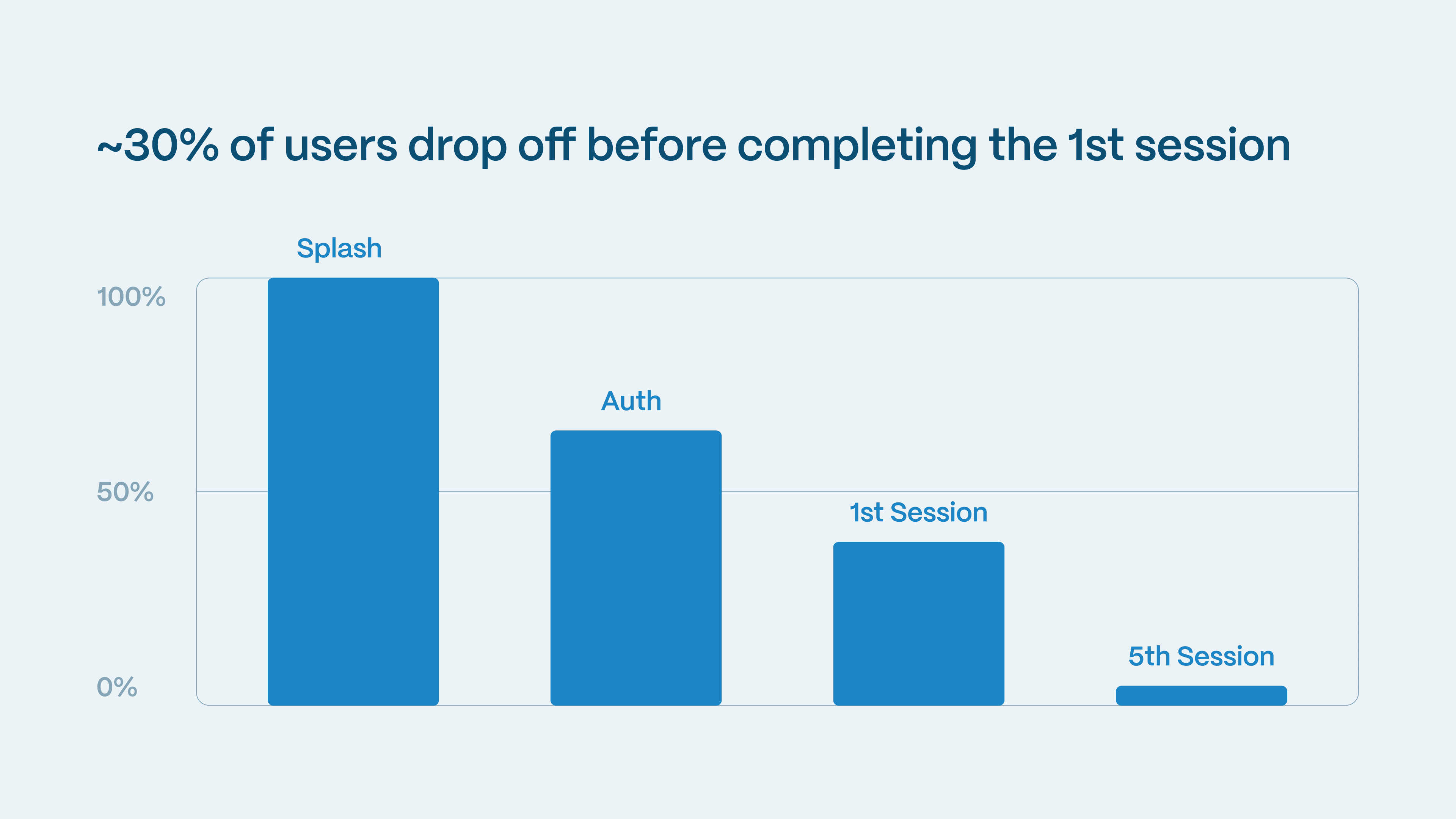
Users were fatigued by unnecessary clicks leading to drop offs. The fastest wins were cutting friction from the flow
Each confusing screen was bleeding 1-3% of users. The overall flow also had logical fallacies.
SOLUTION
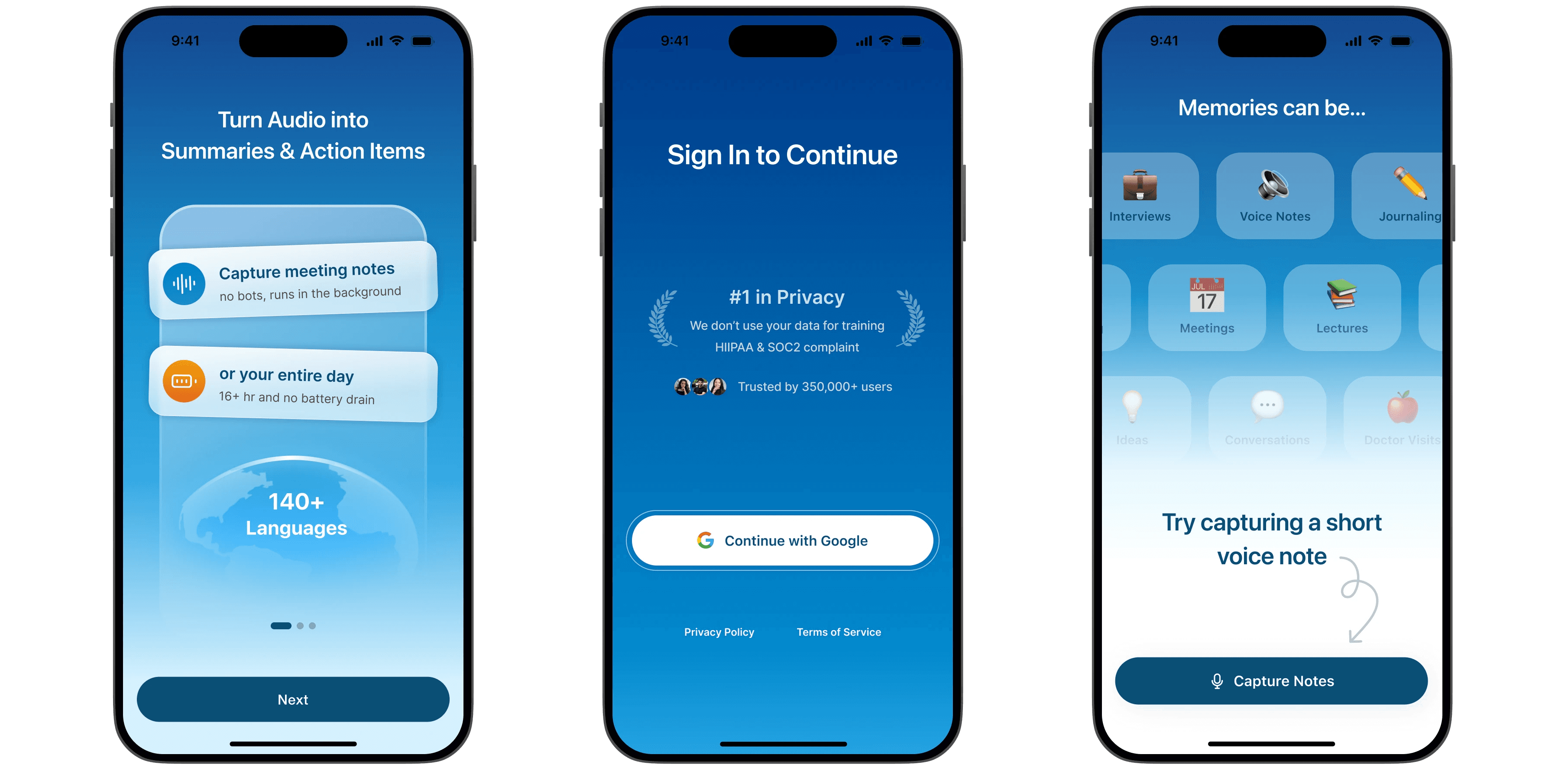
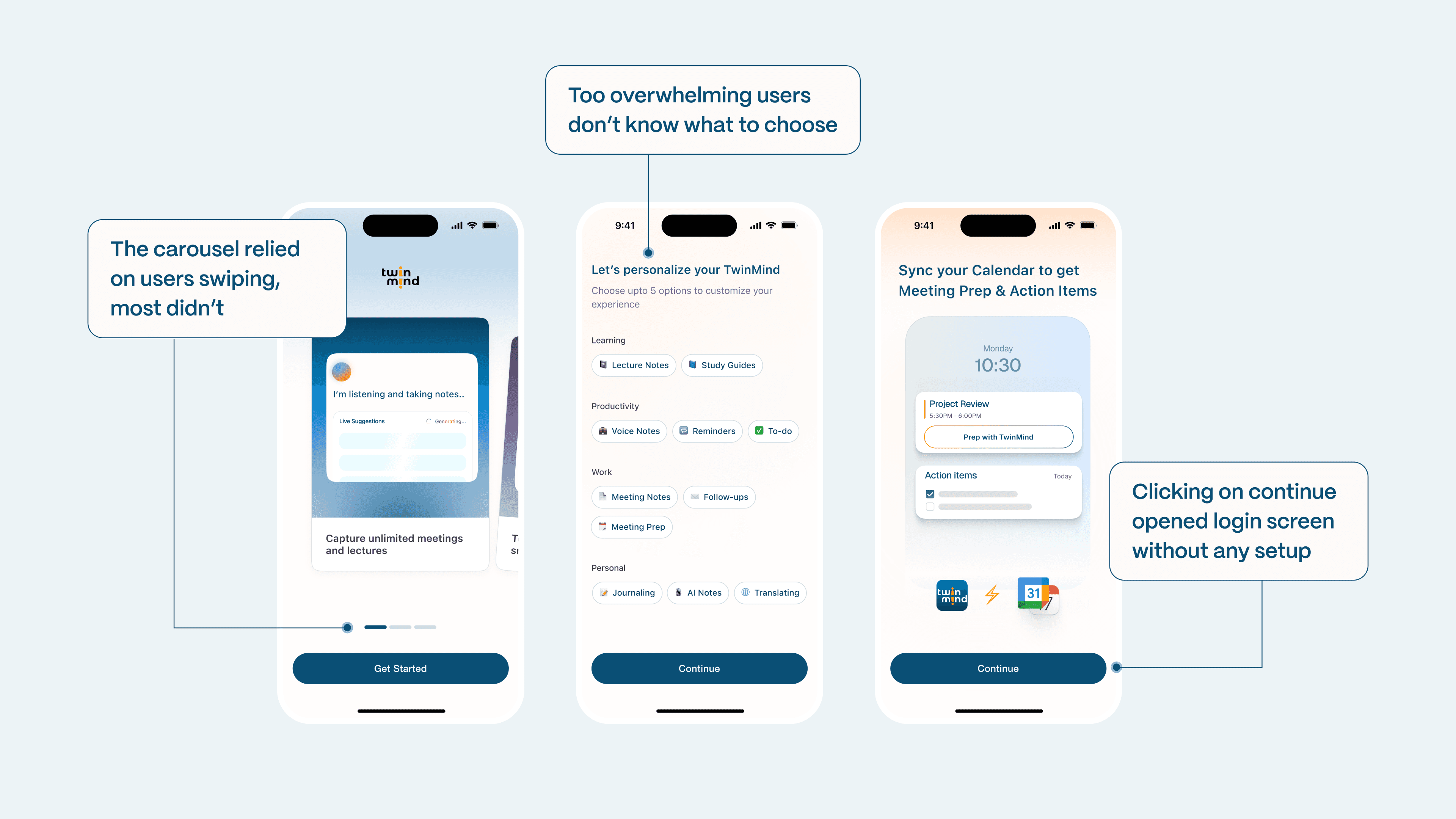
Broke the intro carousel into three standalone screens, building the case for calendar and notification access
Most users swiped past the carousel without reading it. Three separate screens, each requiring a click, fixed that.
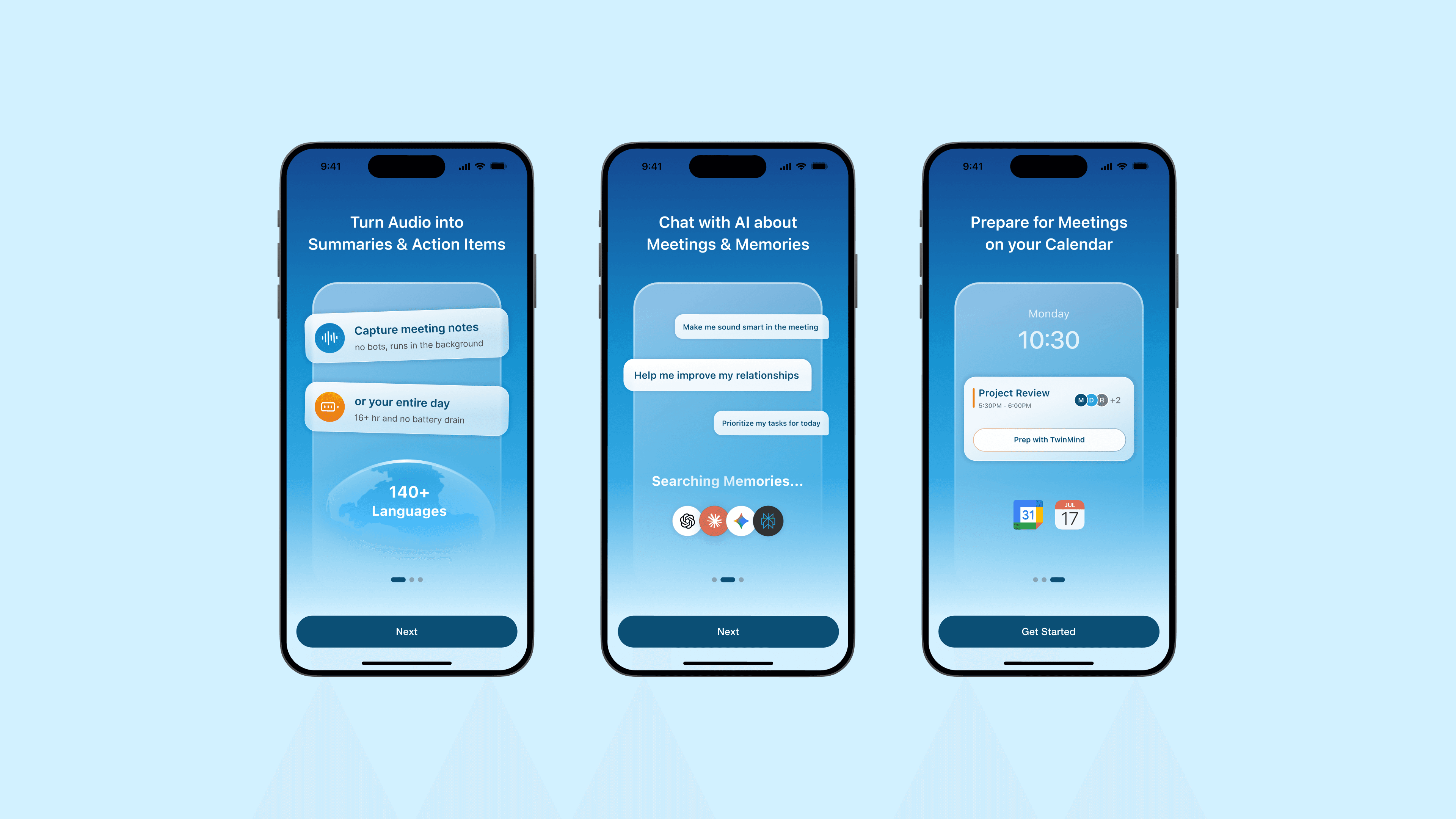
I condensed the flow and redesigned the moments that were losing users
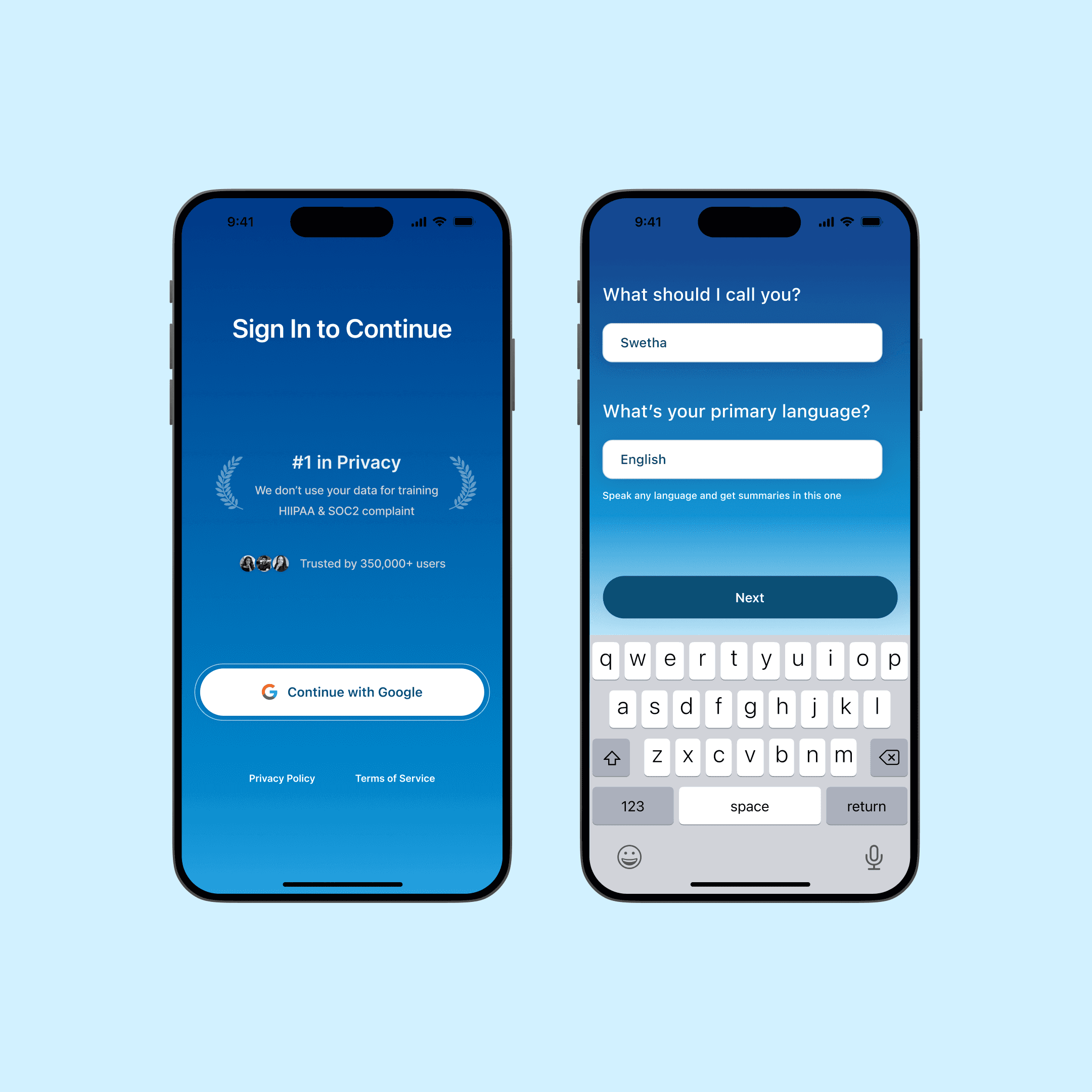
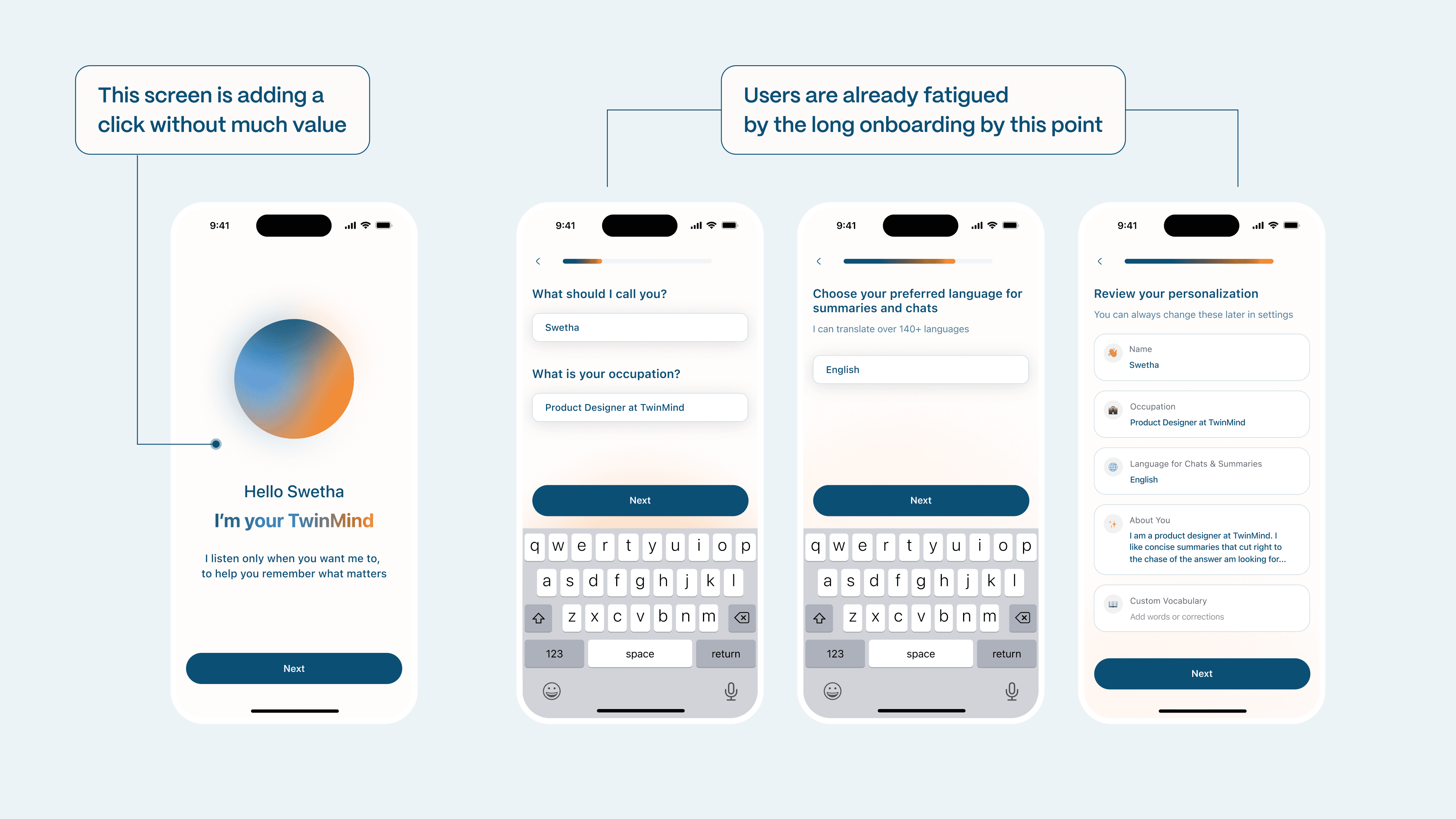
Sign Up Screen + Language
Trust signals added to the login screen, personalization condensed from 6 screens to one.
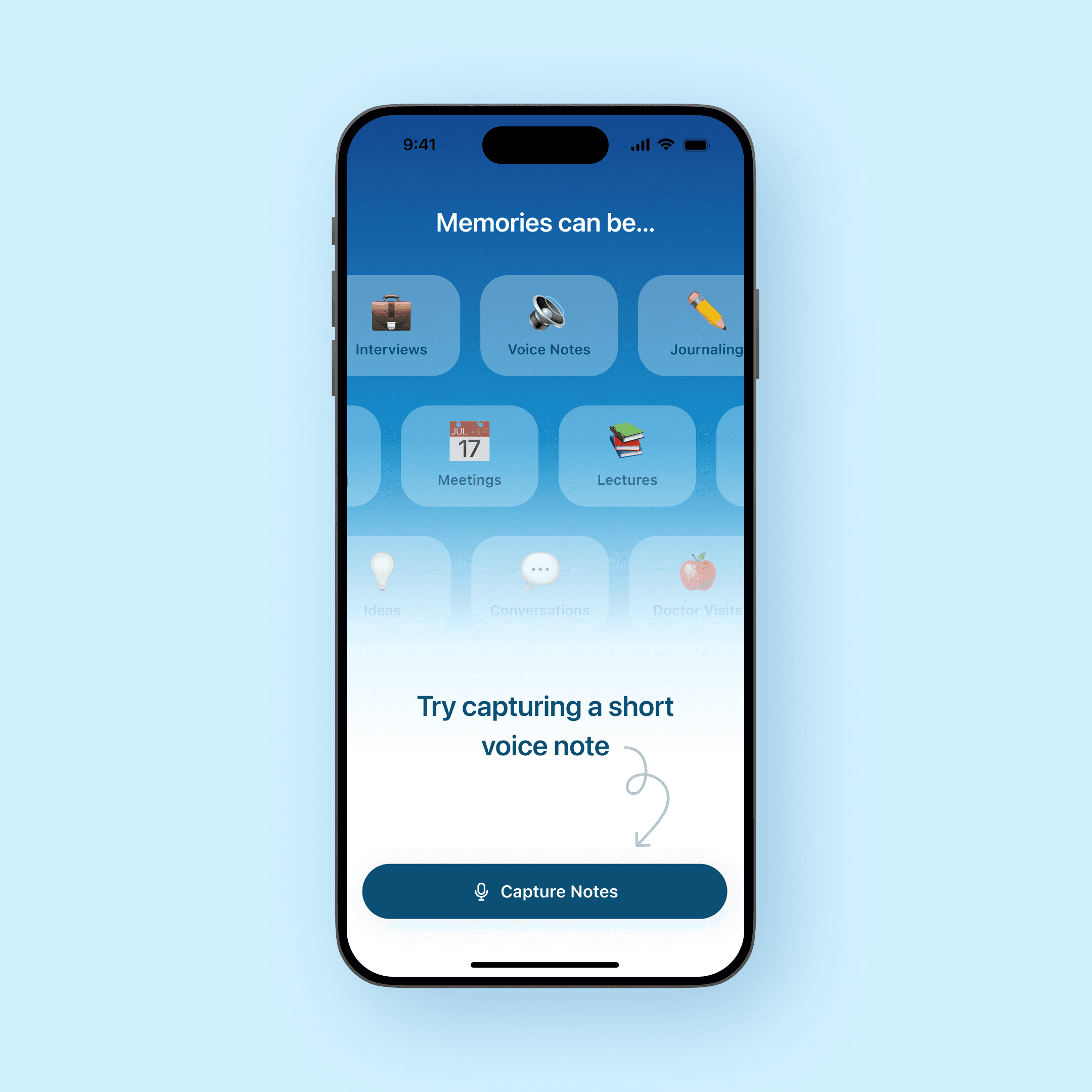
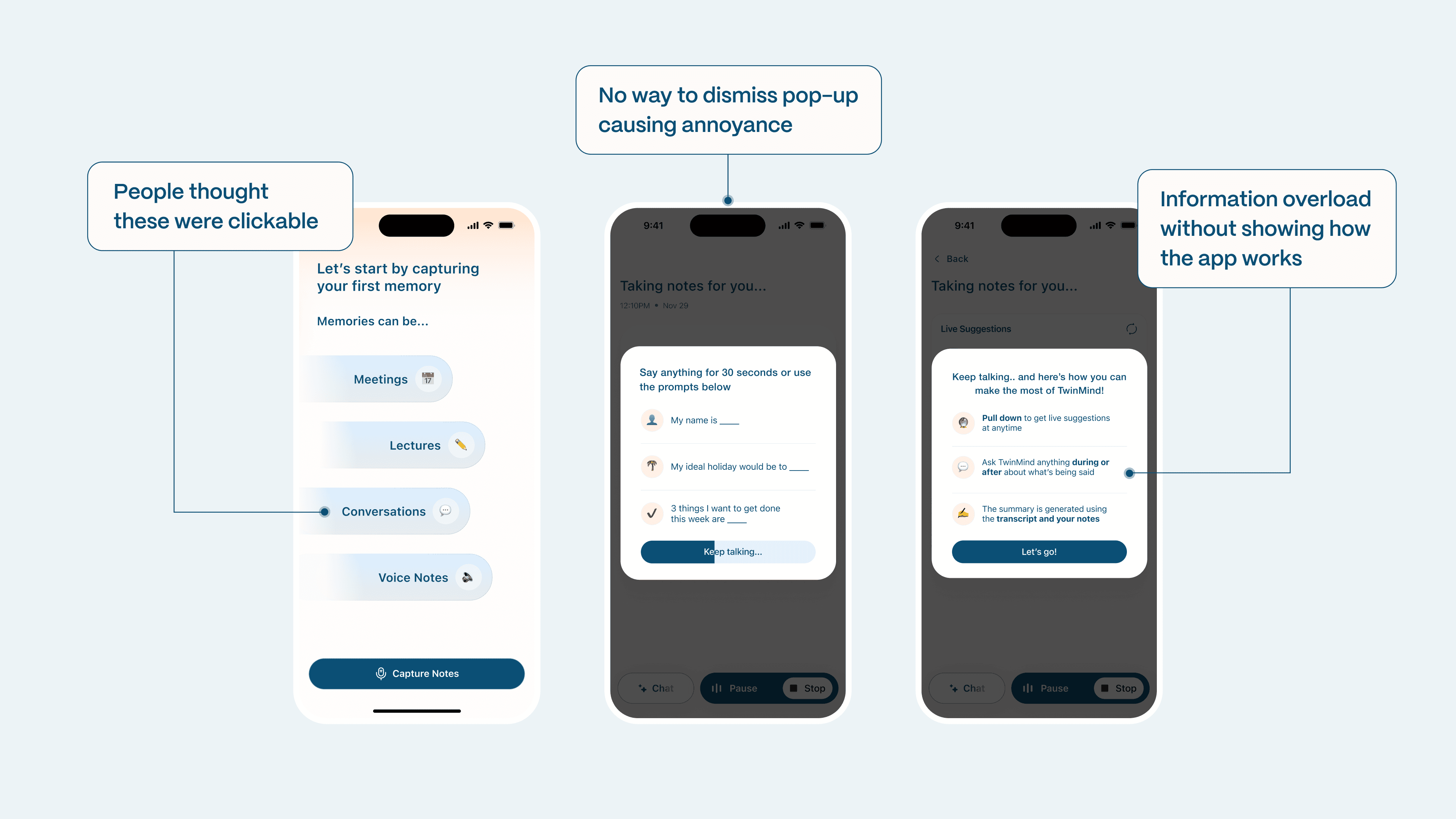
Capture 1st Memory
Redesigned the visual so the icons don't feel tappable. The speaking prompt is dismissable, users who weren't ready to talk could skip it.
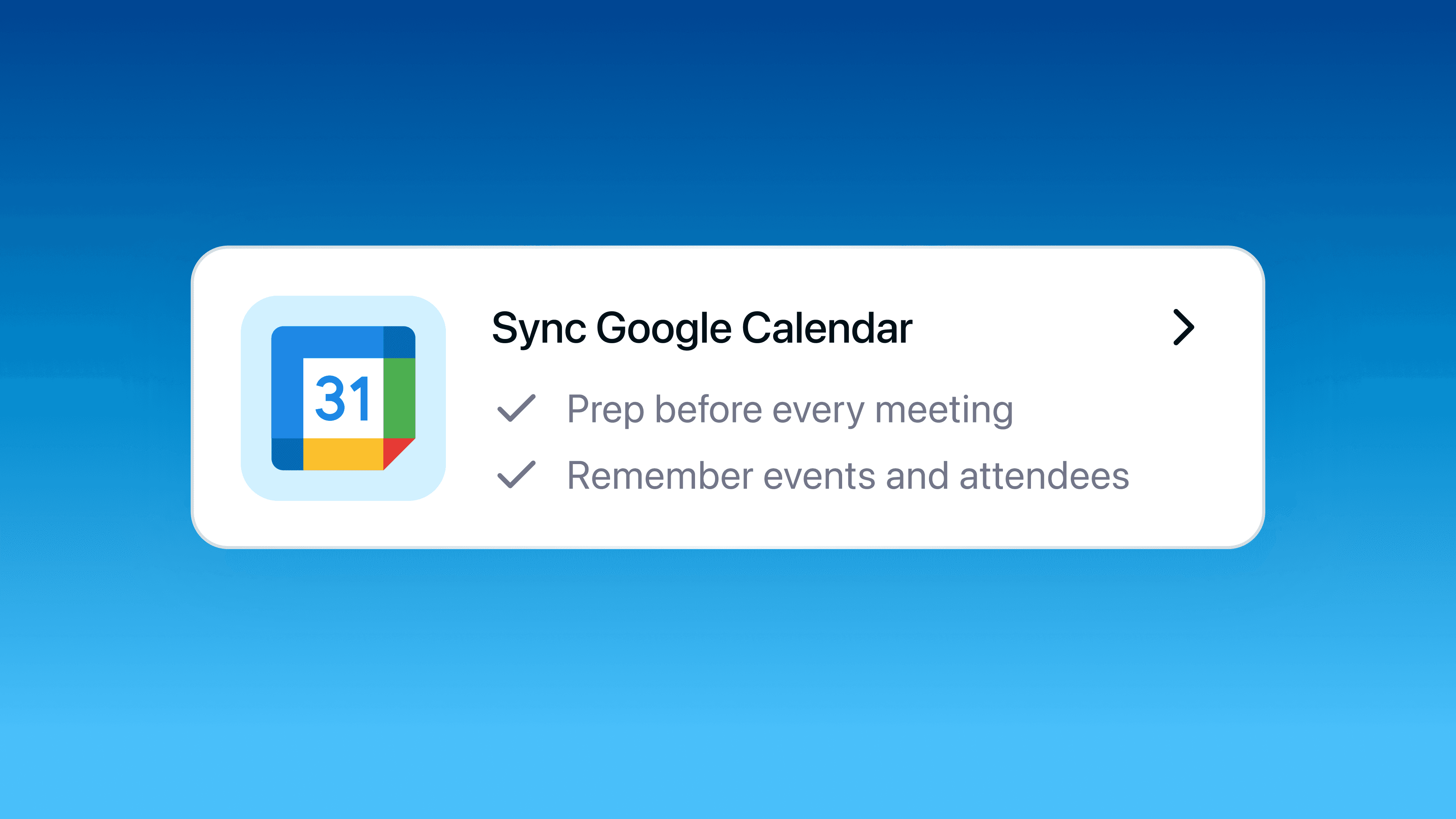
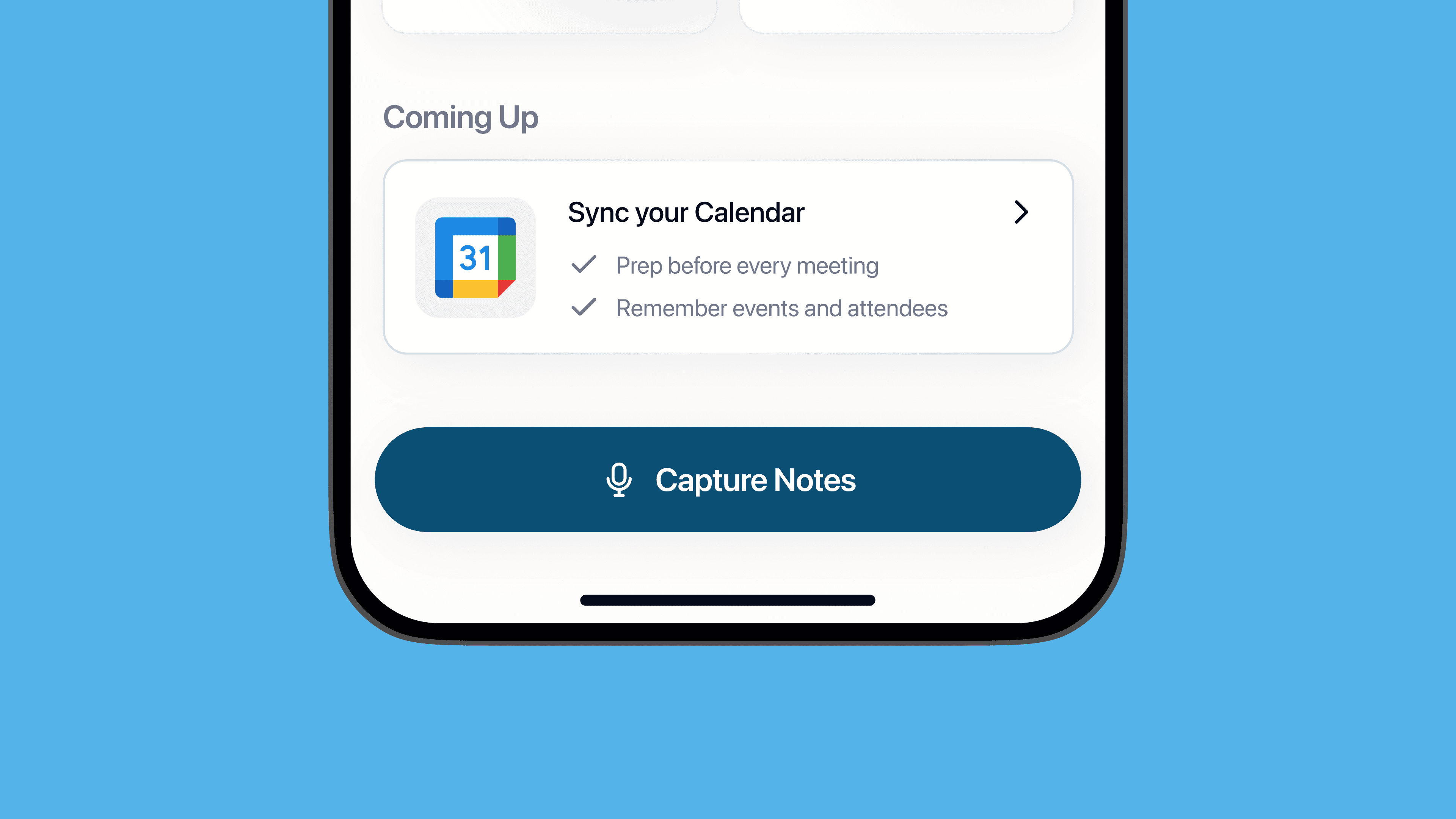
For users who declined calendar access during sign-in, a nudge on the home screen gave them a second chance
Once the product had earned some trust, the home screen gave them another chance to connect their calendar.
REFLECTION
I learned how to be resourceful by using the data we had available to uncover concrete pain points
Taking a step back and understanding deeply
The data showed me where users were dropping. Clicking through the product myself showed me why. Those two things together gave me the confidence to cut screens that had real reasons behind them, and add trust signals where they'd actually land.